In financial markets, there are people who sell umbrellas and people who sell lottery tickets.
Umbrella sellers turn fear into a product. They collect premium from those who worry the sky may split open. Lottery sellers package hope. They ask buyers to pay for a future that may never arrive.
James Cordier chose a stranger counter.
He sold wind.
More precisely, he sold the idea that the wind would not arrive in time, or would not arrive with enough force to matter.
For a long stretch, that idea looked intelligent. Public reports described OptionSellers.com as a commodity-options operation built around collecting option premium, often far away from the current market. Most days, the feared event did not happen. Most weather stayed weather. The seller kept the premium, the account line moved upward, and calm began to look less like luck and more like a system.
That is the oldest seduction in short volatility.
The trade pays often. The danger visits rarely. The problem is that the rare visit may ask for every payment back at once.
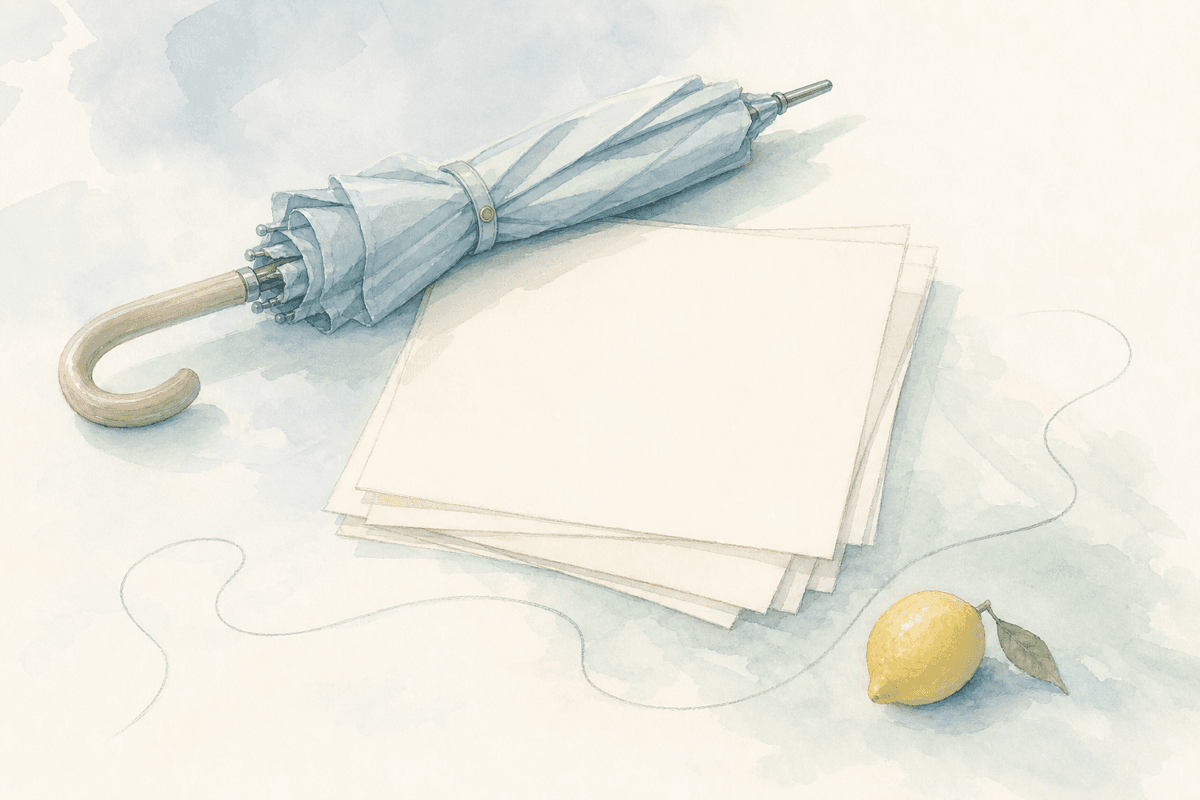
Cordier did not need to predict every tick. His business was built on the opposite claim: most disasters are overpriced, most fears fade, and most buyers of protection pay too much for events that never arrive.
There is truth in that.
Markets do overpay for fear. Options can carry too much implied volatility. Sellers can be compensated for patience, liquidity, and a willingness to stand where other people want insurance.
The mistake begins when a probabilistic edge starts feeling like a physical law.
Ten quiet expirations teach discipline.
One hundred quiet expirations teach confidence.
One thousand quiet expirations can teach the most dangerous lesson of all: that the storm has retired.
The Wind Arrived in Natural Gas
In November 2018, natural gas did what quiet option sellers most dislike. It stopped behaving like a line on a spreadsheet and started behaving like weather.
Prices surged as winter concerns, low inventories, and violent futures-market positioning collided. Public reports described some of the largest natural gas moves in years. Accounts managed through OptionSellers.com were liquidated after the shock. Reported loss estimates reached roughly the $150 million area, and some clients were said to face debit balances after losing their principal.
The details mattered legally and operationally, but the risk lesson was simpler.
The wind Cordier had sold came due.
Not gently.
Not gradually.
Not in a way that respected the previous years of premium collection.
That is why the story stayed alive in trader memory. The collapse was not just a bad forecast. It was the failure of a structure that had learned to survive ordinary weather and then met a different season.
Calm Is Not Collateral
The apology video became famous because of the phrase "rogue wave." Some laughed at the language. Serious sellers should be slower to laugh.
Every option seller has a private version of that wave.
For one trader, it is a single-name earnings gap. For another, it is a volatility spike. For another, it is a commodity squeeze, a liquidity break, a policy shock, a failed hedge, or a margin call that arrives before the thesis has time to recover.
The market does not need many such days.
It only needs one day large enough to expose the size of the promise that was sold.
This is the uncomfortable arithmetic behind naked option selling. Small gains can be frequent, visible, and emotionally calming. Large losses can be delayed, hidden, and structurally larger than the gains that trained the seller to continue.
The account does not care that the last ninety-nine trades felt sensible.
Margin does not care that the probability looked low.
Liquidity does not care that the model said the move was rare.
When the wind comes, the first question is not whether the seller was usually right. The first question is whether the structure can remain standing while being wrong.
The Miss Lemon Seller Read
Selling options is not the villain. Selling insurance is a legitimate market function.
The danger is selling insurance as if the insured event cannot happen.
A cleaner seller framework asks harder questions before the premium becomes persuasive:
- What exact risk is being sold?
- Is the loss defined, or only described as unlikely?
- Is margin being treated as oxygen, or as empty room?
- What happens if implied volatility rises while price moves against the position?
- Can the position survive a gap before there is time to adjust?
- Is the trade still acceptable if the next month is not normal?
- Would protection, smaller size, or a spread make the worst case visible?
Those questions make premium less charming. That is their job.
Premium always speaks first. It arrives in the account like proof. It says the seller is being paid to wait. It says the market is emotional and the seller is rational. It says fear is expensive.
Sometimes all of that is true.
But premium is not a certificate of safety. It is a price for carrying someone else's worry.
The Hardest Lesson
The Cordier story endures because it is not only about natural gas.
Natural gas was the stage. The real subject was the way calm changes a seller's mind.
After enough quiet months, risk stops looking alive. It becomes a number, then a footnote, then a background assumption. The seller does not wake up one day and decide to ignore danger. The seller is trained into it by a market that keeps paying them for believing danger is far away.
That training can feel like expertise.
It can also become the invoice.
The largest risk is not always the storm itself. A disciplined account can prepare for storms, size for them, define them, hedge them, and sometimes step aside until the sky clears.
The deeper risk is the long blue season before the storm, when the seller begins to believe the sky has forgotten how to break.
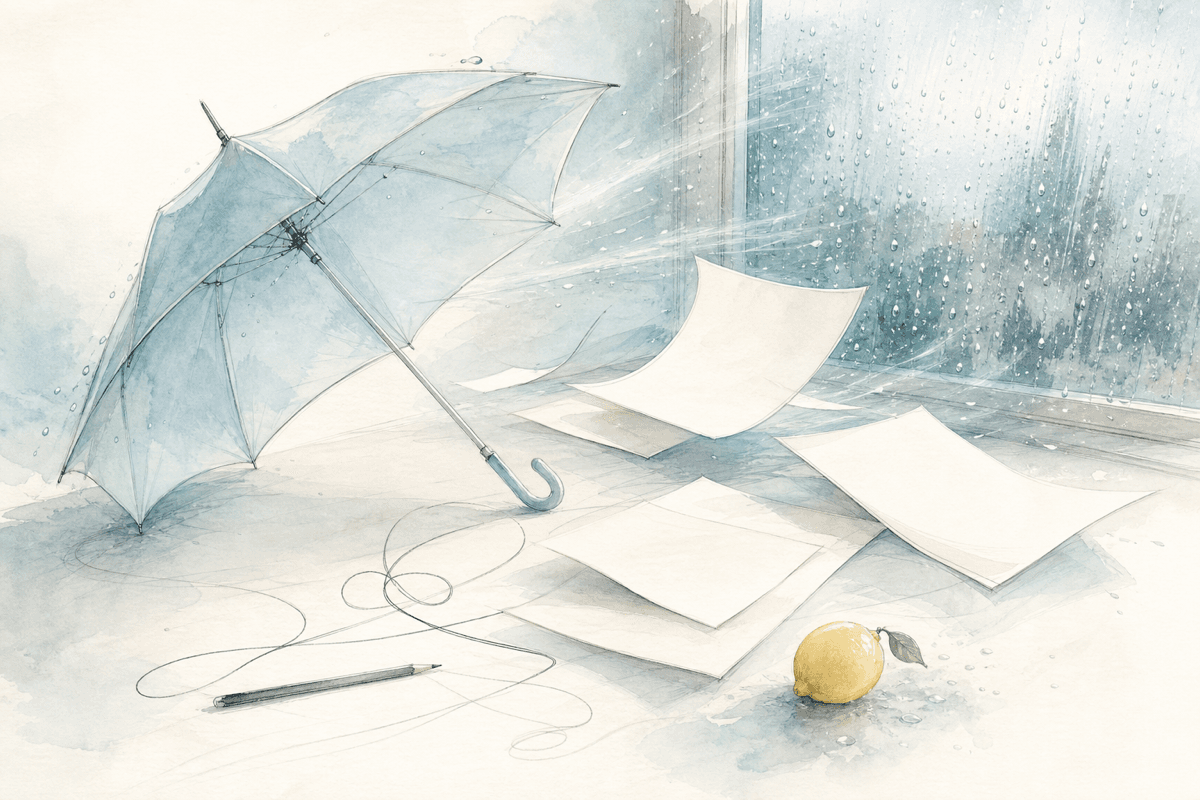
Wind does not need to visit often.
It only needs to visit once after the seller has stopped respecting it.